


zł53.20Price
Mounting elements
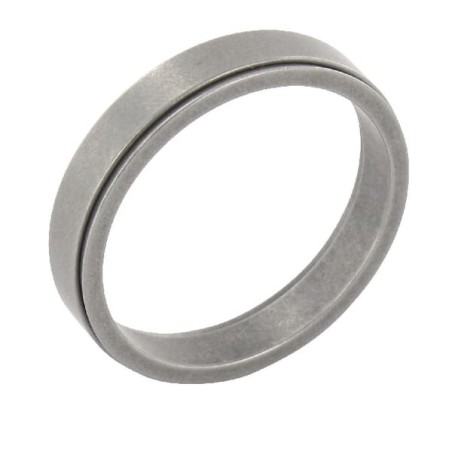
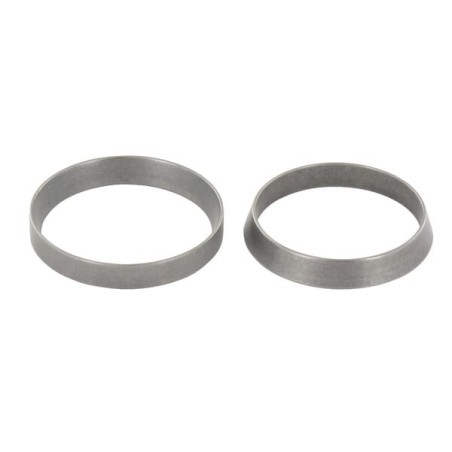
Locking element slit - RFN800630X35GES - Benefits: - Niewielkie zapotrzebowanie na przestrzeń montażową; Consists of: - 2 conical rings, - 2 stożkowe
zł53.20Price
Korzystając z tej strony, wyrażasz zgodę na akceptację naszego Regulaminu oraz wykorzystanie plików cookie. Dzięki nim możemy zapewnić lepsze doświadczenie użytkownika oraz dostosować treści do Twoich preferencji.
15 products
Under the store label Mounting elements, customers can find fasteners and retaining parts intended for power-transmission systems in agricultural and industrial machinery.
The full category path is All products in the shop/Hydraulics & Transmission/Transmission/Shaft Couplings/Shaft-hub connections/Mounting elements. It shows where the category sits within the range and helps users select the correct product section.
Parts in this group join, locate or retain mating parts. A single trade name may cover several designs, so compatibility must be confirmed from technical data rather than from an image alone.
This is a detailed catalogue category. Variants may differ by one dimension, mounting side, connection type, material or a machine production cut-off date.
Start by identifying the machine, equipment or assembly. Then compare the features that most often determine compatibility:
Technical product data shows that several parameters may matter at the same time, depending on the part's function: dimensions, material, temperature range, pressure, flow, voltage, load rating or connection type. An OE or manufacturer reference is extremely useful, but it should still be checked against dimensions and equipment version.
If several versions exist for one model, record the production year, serial number, engine or gearbox code and the marking on the old part. A photograph of the mounting position may help, but it does not replace measurement and specification comparison.
Before installation, clean the mating surfaces, compare the new part with the removed item and use suitable tools and tightening torques. After repair, check movement, fixings and operation under safe conditions.
For safety-related parts, pressurised systems, electrical work and chemicals, manufacturer instructions, required competence and suitable protective equipment always take priority.
Compare make, model, serial number or VIN, OE number, dimensions and all operating parameters. Where one model has several variants, also check the production date and assembly code.
No. Similar parts may have different dimensions, threads, materials, operating ranges or mounting sides. Technical specifications should be the basis of the decision.
Check fixings, leakage, freedom of movement and operation of the relevant system. Testing should be carried out without load or under controlled conditions, in line with the manufacturer's instructions.
check_circle
check_circle